The best breathwork app is not necessarily the one with the largest library or the loudest promise. It is the one you will actually use when you need it: on a busy morning, between meetings, after a difficult conversation, or when your mind will not slow down at night.
Breathwork apps have become a useful doorway into conscious breathing because they remove the friction of deciding what to do. A timer, a visual cue, a guide, or a soundtrack can turn a simple physiological practice into a repeatable ritual. But apps can feel very different. Some are built around short, structured breathing exercises. Others focus on immersive music-led journeys. Some combine breathwork with meditation, cold exposure, movement, or education.
This guide is not a universal ranking. It is a way to choose the right kind of support for your goal, your energy, and your level of experience. Features and memberships change, so confirm the current details in each app before subscribing.
What Makes a Breathwork App Worth Using?
Before comparing any app, decide what you want the practice to do for you. A useful breathwork app should make the next action obvious and feel safe enough to return to consistently.
Look for five things:
- A clear intention. Do you want a quick reset, better sleep, focused energy, emotional processing, or a deeper guided experience? The best session is the one that matches the state you are in.
- Guidance you can follow without overthinking. Visual pacing, audio cues, and straightforward instruction are particularly helpful when you are new to breathwork or already stressed.
- A pace that feels appropriate. Gentle, slow breathing is a strong place to begin. More activating practices can be powerful, but they are not always the right fit for every body or every moment.
- Sound that supports the practice. For many people, music is not a decoration. It is an attentional anchor that makes it easier to stay with the breath.
- A realistic path to consistency. A short practice you repeat three times a week is more valuable than an ambitious library you never open.
Breathwork is a skill, not a performance. If a practice makes you feel dizzy, overwhelmed, numb, or unsafe, pause, return to normal breathing, and choose a gentler approach. People with medical or mental-health concerns should seek guidance from an appropriately qualified clinician before trying intense breathing practices.
Three Good Starting Points in 2026
1. Beats and Breath — Best for Music-Led Sonic Breathwork
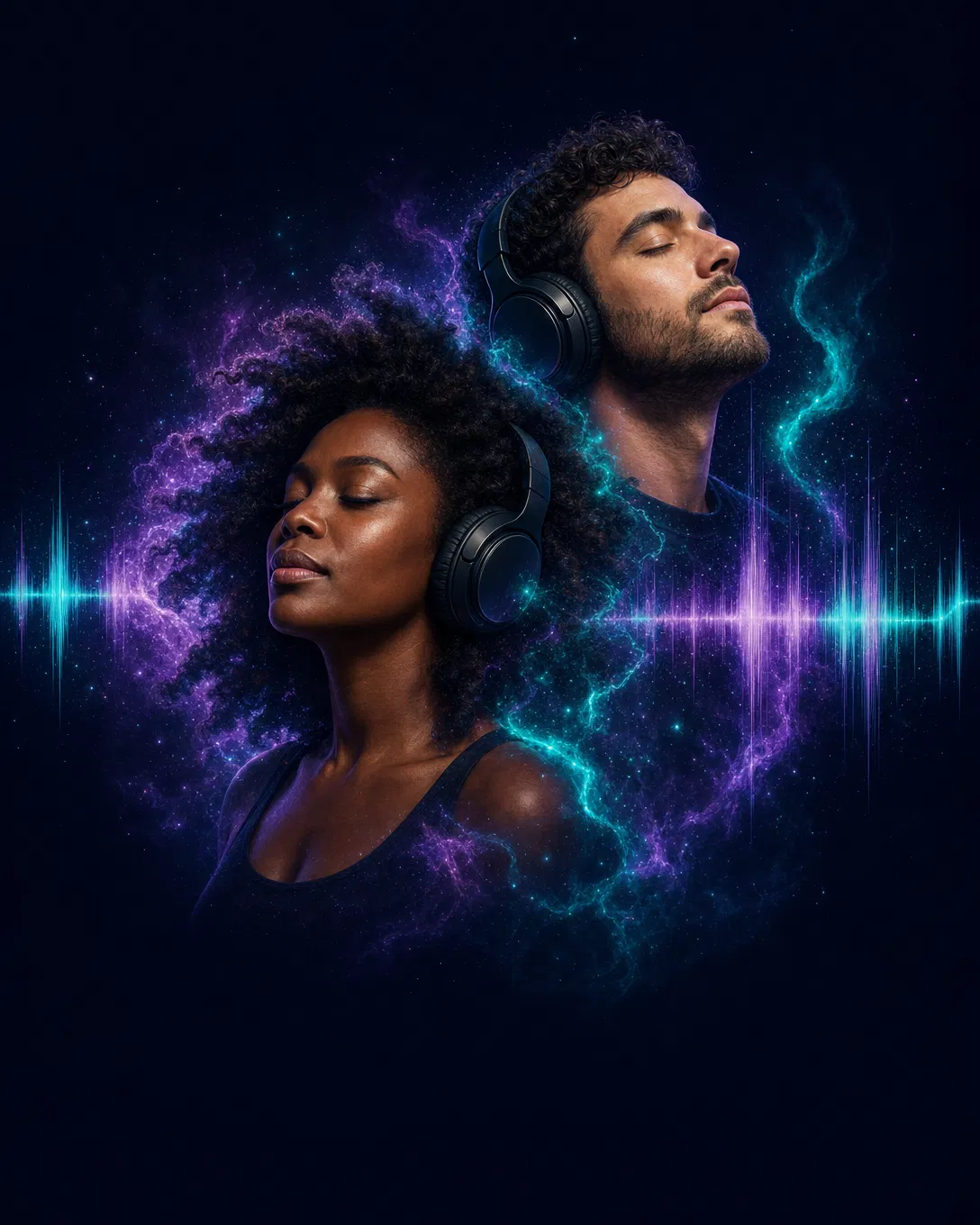
Beats and Breath is designed for people who want breathwork to feel immersive, emotional, and easy to enter. Its Sonic Breathwork™ approach pairs guided breathing rhythms with cinematic soundscapes, giving the mind something tangible to follow while the body settles into a pattern.
This is a strong choice if silent meditation has felt like a struggle, if music helps you access emotion, or if you want your practice to feel less like another item on a wellness checklist. The sessions are built around state-shifting intentions, from slowing down and finding clarity to creating energy and emotional release.
Start with the free Alignment session. It uses a gentle 4–4 rhythm—inhale for four, exhale for four—and is designed to be accessible even if you have never practiced breathwork before. Try it lying down with headphones or premium speakers, then notice how your body feels before deciding whether to explore a longer practice.
Choose Beats and Breath if you want:
- Music and sound to be central to the experience
- A guided, beginner-friendly entry point
- Short, immersive sessions that help you move from thinking into feeling
- A broader pathway into events, community, and facilitator training
Try the free Alignment session →
2. Breathwrk — Best for Structured, Goal-Based Breathing Exercises
Breathwrk is a good fit for people who want a practical, exercise-oriented approach. Its official site describes a library of more than 50 breathing exercises across use cases such as calming, sleep, energy, and performance, with optional sound, voice, and haptic guidance.[^breathwrk]
The structure can be useful when you want to choose a specific exercise for a specific moment: a short downshift before a presentation, a wind-down practice before bed, or a focused breathing drill as part of training. Breathwrk also includes guided classes and habit-oriented programming, which may appeal to people who like tracking and routine.[^breathwrk]
Choose Breathwrk if you want:
- Clear, technique-forward exercises
- Short protocols organized around a functional goal
- Customization and habit-building tools
- A health- and performance-oriented framework
3. Othership — Best for a Broad, Music-Driven Breathwork Library
Othership is built around music-backed guided breathwork for shifting emotional and physical state. Its public materials describe a library of guided sessions across energizing, calming, emotional-release, movement, and educational categories, alongside practices such as visualization and vocalization.[^othership][^othership-app]
This is a useful option for someone who wants variety and does not want to limit their practice to one breathing style. The sessions can feel more like an active meditation experience than a simple breath timer, which may suit people looking for a bigger emotional or sensory container.
Choose Othership if you want:
- A large range of guided, music-led practices
- Breathwork alongside movement, mindfulness, and other modalities
- Sessions organized by mood and desired state
- A more expansive library to explore over time
Which Type of Breathwork Is Right for Your Goal?
The same app can be excellent for one goal and not the best first move for another. Let your immediate need guide the choice.
| If you need… | Look for… | A good first session |
|---|---|---|
| A calmer nervous system | Slow, steady breathing with a comfortable exhale | 4–4 or extended-exhale practice |
| Help winding down | Gentle pacing, low stimulation, softer sound | A short evening or sleep routine |
| Focus before work | Clear visual pacing and a brief duration | A 2–5 minute structured exercise |
| An energy shift | Activating but well-guided breathing | A short daytime session; stop if it feels too intense |
| Emotional release | Trauma-aware guidance, music, and adequate time afterward | A longer guided session when you have privacy and space |
How to Make an App Actually Work for You
Downloading an app does not create a practice. Repetition does. The easiest way to build consistency is to choose one small, reliable cue in your day.
Try connecting a session to something you already do: after brushing your teeth, before opening email, at the end of a workout, or when you get into bed. Keep the practice short enough that it feels possible on a difficult day. Ten focused minutes can be meaningful, but two minutes done consistently is a powerful beginning.
It also helps to separate practice from optimization. You do not need a perfect setup, expensive gear, or an encyclopedic knowledge of breathing techniques. Start with headphones, a comfortable position, and one guided session. Pay attention to whether you feel more settled, more present, or more able to make your next decision with clarity.
A Note on Safety and Scope
Breathwork can support relaxation, attention, and a sense of connection to the body. It is not a replacement for medical care, psychotherapy, crisis support, or prescribed treatment. Intense or rapid breathing methods may not be appropriate for everyone, especially people who are pregnant or have cardiovascular conditions, seizure disorders, a history of panic, or significant mental-health concerns. When in doubt, choose slow, comfortable breathing and consult a qualified professional.
The Bottom Line
There is no single best breathwork app for every person. Breathwrk may be the right choice when you want a structured toolset. Othership may fit when you want a broad, music-forward library. Beats and Breath may be the right place to start when you want sound, breath, and emotional immersion to work together in one simple experience.
The most important thing is not finding a perfect app. It is finding a practice you can return to. Start small, stay curious, and let your body—not marketing claims—tell you what supports you.
Ready to feel the difference? Put on headphones and try a free Sonic Breathwork™ session now: Breathe Into Alignment →
Sources
[^breathwrk]: Breathwrk — official app overview, accessed August 2026.
[^othership]: Othership — official guided breathwork app overview, accessed August 2026.
[^othership-app]: Othership: Guided Breathwork — App Store listing, accessed August 2026.